
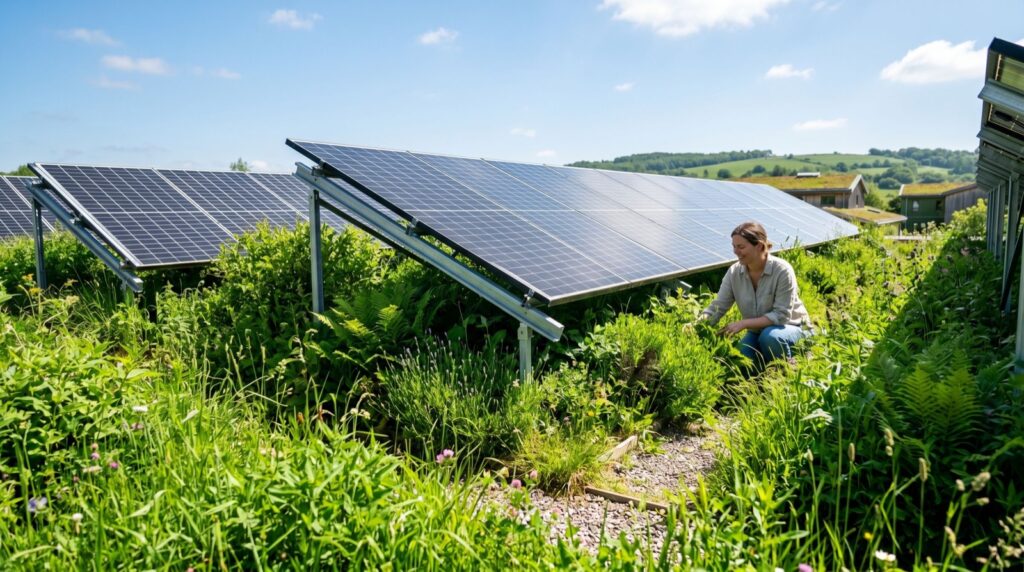
Load-shedding, rising grid tariffs, and unpredictable summer bills have pushed thousands of households toward rooftop power in 2026. If you are searching for a dependable solar company in Karachi, the smartest first move is not buying panels at all. It is understanding how storage changes the economics of the entire system, because a battery is what turns daytime sunshine into evening comfort.
This guide breaks down the numbers that actually matter for a Karachi home: what you pay per unit, how much you can shift off the grid, and where lithium storage fits. We keep the focus on real costs and honest trade-offs so you can plan a system that pays for itself instead of one that simply looks impressive on the roof.
Why a Solar Company in Karachi Is Rethinking Batteries First
For years, most rooftop setups in Pakistan were grid-tied and battery-free. They saved money during the day and went dark the moment the feeder tripped. In a city where outages still hit during peak heat, that design leaves value on the table.
Lithium storage flipped the logic. Instead of exporting cheap daytime units and buying expensive evening units back, you store your own generation and use it after sunset. A good solar company in Karachi now designs around the battery, then sizes the panels to keep it charged.
What Karachi’s climate does for your yield
Karachi averages strong year-round irradiance, so a well-oriented array produces steadily even in winter. Salt-laden coastal air is the real enemy. It corrodes cheap mounting hardware and connectors, so marine-grade rails and sealed junction boxes matter more here than inland.
Understanding Lithium Battery Price in Pakistan
The single biggest question buyers ask is about storage cost. The current lithium battery price in Pakistan depends on chemistry, usable capacity, and cycle rating, not just the sticker figure. A cheaper pack that dies in three years is far more expensive than a certified LiFePO4 unit that lasts a decade.
Lithium iron phosphate (LiFePO4) has become the default for homes because it tolerates heat, deep discharges, and thousands of cycles. That durability is exactly what a Karachi rooftop demands.
How to read a battery quote
- Usable kWh, not rated kWh: a 5 kWh lithium pack often gives 4.5 to 5 kWh usable, while old lead-acid gave barely half its rating.
- Cycle life: aim for 6,000+ cycles at 80% depth of discharge for real value.
- BMS quality: the battery management system protects against overheating and imbalance.
- Warranty terms: a written 5 to 10 year warranty signals a serious manufacturer.
Cost comparison at a glance
| Storage type | Typical lifespan | Usable depth | Cost per usable cycle |
|---|---|---|---|
| Tubular lead-acid | 3 to 4 years | ~50% | High |
| Standard lithium-ion | 6 to 8 years | ~80% | Moderate |
| LiFePO4 | 8 to 12 years | 90% or more | Low |
When you divide total cost by the number of reliable cycles, LiFePO4 almost always wins even though its upfront figure looks steeper.
Sizing a System That Pays Off in Karachi
A common mistake is buying too many panels and too little storage, then dumping surplus power back to the grid at low net-metering rates. Balance is everything.
- Audit your evening load. Add up fans, lights, fridge, and one AC after sunset. That number sets your battery size.
- Size panels to recharge it. Your array should refill the battery and run daytime loads with margin for cloudy spells.
- Pick the right inverter. A hybrid inverter manages panels, battery, and grid seamlessly and supports future expansion.
- Add safety hardware. Surge protection and proper earthing shield your investment during monsoon storms.
A practical Karachi example
A three-bedroom home running two ACs in the evening typically needs a 6 to 8 kW array paired with 10 kWh of lithium storage. That combination covers most nights without touching the grid, and any small shortfall is topped up automatically. This is the kind of blueprint you should expect from reliable local experts who plan around your actual usage rather than a generic package.
Grid Rules and Incentives to Know in 2026
Net metering remains the backbone of rooftop economics. Under regulations set by the National Electric Power Regulatory Authority, eligible homeowners can export surplus generation and offset their bills. Always confirm the latest tariff and approval process directly through NEPRA before you finalise a design, because export rates and slabs are reviewed periodically.
For technical standards on installation and equipment, the Alternative Energy Development Board publishes guidance that reputable installers follow. Choosing a company that respects these standards protects your warranty and your safety.
Frequently Asked Questions
What is a realistic lithium battery price in Pakistan for a home?
It varies by capacity and chemistry, but expect a meaningful premium over lead-acid for a certified LiFePO4 pack. The lower cost per usable cycle usually makes it the cheaper option across its full lifespan, especially in Karachi’s heat.
Can a solar company in Karachi run my ACs at night?
Yes, with correct battery sizing. Match your evening AC load to usable storage capacity and pair it with a hybrid inverter, and you can comfortably run cooling after sunset without pulling from the grid.
How long do lithium batteries last in coastal humidity?
Quality LiFePO4 units with a solid BMS handle Karachi’s climate well and often last eight years or more. Proper ventilation and shaded, dry placement extend that life further.
Is net metering still worth it in 2026?
For many homes, yes, but the value now leans toward self-consumption plus storage rather than heavy export. Confirm current tariffs with NEPRA and design for using your own power first.
Conclusion: Build Around Storage, Then Scale
The households seeing the fastest payback are the ones treating storage as the heart of the system, not an afterthought. Start with your evening load, choose durable LiFePO4 based on cost per cycle, and size panels to keep that battery full. When you partner with an experienced solar company in Karachi and plan carefully around real numbers, your rooftop stops being an expense and becomes one of the best investments in your home. Ready to size a system that actually pays off? Get a tailored storage-first quote today.